Emergency Water Damage Restoration in Thornton, Colorado
Water damage from a burst pipe, a failed appliance, or a flooded basement does real damage fast, and how quickly drying starts often decides whether a room needs new flooring or just a good dry-out. Our restoration team responds around the clock across Thornton and the surrounding area.
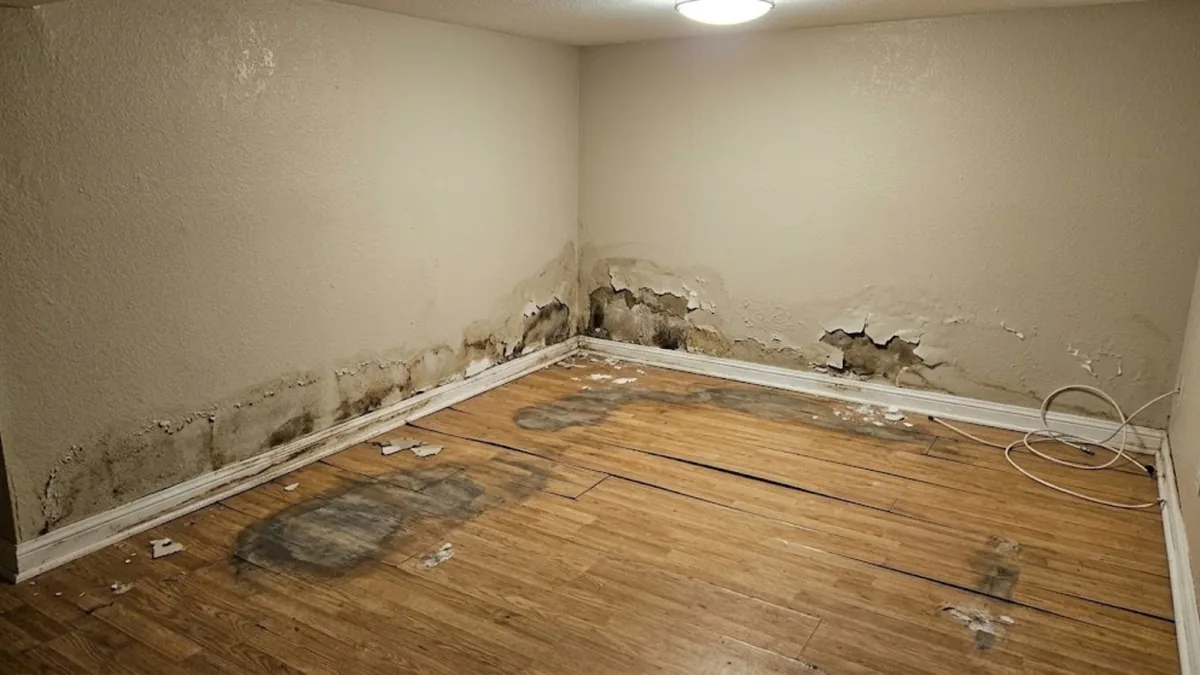
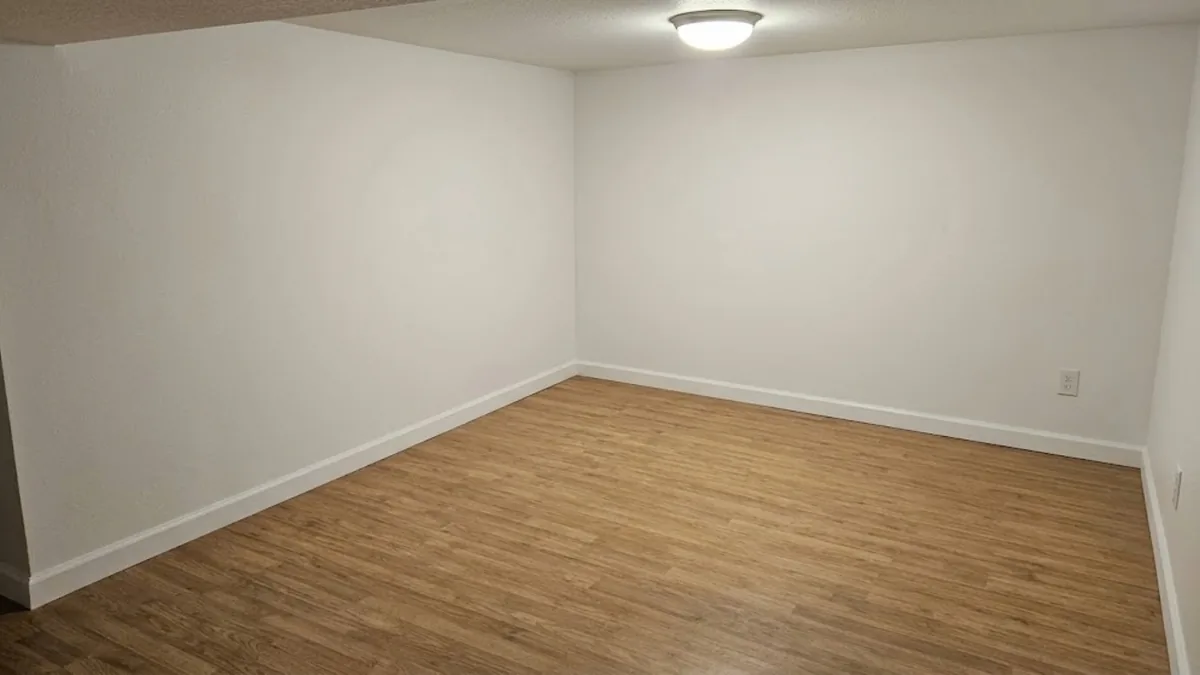
Representative example of a typical water damage restoration, shown for illustration.
Water Damage Restoration In Thornton
Thornton's expansive clay soil and hard freeze-thaw winters mean water damage calls here often trace back to a burst pipe or a sump pump that failed during spring snowmelt, rather than a storm event. Whatever the source, the same clock starts the moment water hits drywall, flooring, or framing.
Common Signs Of Water Damage Restoration
Visible water stains spreading across a wall or ceiling
Warped, buckled, or soft flooring
A musty or damp smell that won't go away
Sagging drywall or ceiling tiles
Common Causes
- A burst or leaking supply pipe
- A failed water heater or washing machine hose
- A sump pump failure during heavy rain or snowmelt
- A roof or window leak during a storm
How We Respond
We start with moisture mapping using professional meters to find exactly how far water has traveled behind walls and under flooring, since visible damage is often only part of the real affected area. That map determines exactly where drying equipment needs to go, rather than guessing. Our process follows the IICRC S500 water damage restoration standard, the industry-recognized reference for structural drying and moisture assessment.
The Work Itself
Standing water is extracted first, then industrial air movers and dehumidifiers are set up to dry the structure itself, not just the surface. Materials that can't be dried safely, like saturated drywall or carpet padding, are removed to prevent mold before it starts, and we document everything for your insurance claim along the way.
How To Reduce Your Risk
Regularly checking supply lines behind washing machines and under sinks for early signs of wear catches a slow leak before it becomes a flood. Testing your sump pump before spring snowmelt season, and keeping gutters clear so roof water drains away from the foundation, both reduce the odds of ever needing this service. For a Thornton home with known galvanized pipe or an aging water heater, addressing that proactively removes two of the most common sources of a major water event.
What Waiting Costs You
Water damage left untreated for more than 24 to 48 hours dramatically increases the risk of mold growth, which turns a drying job into a mold remediation job with its own separate cost and timeline. Materials that could have been dried and saved often have to be fully replaced once they've sat wet too long, and structural wood framing can start to warp or weaken the longer moisture stays in place.
What This Usually Costs
Every job depends on what we actually find, but these are the real factors that move the price:
Water category
Clean water from a supply line costs less to remediate than contaminated water from a sewer backup.
Extent of spread
How far water traveled before being caught directly affects how much material needs drying or removal.
Materials affected
Carpet, drywall, and hardwood each require different handling and drying timelines.
Response time
Water addressed within 24 to 48 hours is far less likely to require mold remediation on top of drying.
Water mitigation (fast extraction and containment) is handled on a separate page if the damage is still active and spreading.
Water Damage Restoration FAQ
Our restoration line runs 24/7, and getting drying equipment in place within the first 24 to 48 hours is the single biggest factor in avoiding mold growth and limiting how much material needs replacing.
Most policies cover sudden, accidental water damage like a burst pipe, though coverage for gradual leaks or flooding from outside the home varies by policy. We document everything to support your claim either way.
A typical room takes 3 to 5 days of active drying with professional equipment, though the exact time depends on how much material absorbed water and how it's constructed.
In most cases, yes, especially for a contained, clean-water event. For larger losses or contaminated water, we'll tell you honestly if part of the home should stay off-limits during drying.
Active Water Damage Right Now?
Call now. Our water damage line runs 24/7 for Thornton and the surrounding area.
☎ Call (833) 521-1033